

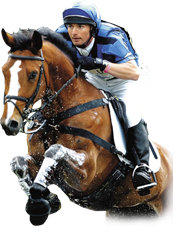



Всестранната езда представлява най-пълно комбинирано състезание, изискващо от атлета значителен опит във всички дисциплини на ездата и прецизно познаване способностите на неговия кон, както и на степента на подготовка на коня произтичаща от правилното и рационално обучение.
Един спортист в крайна сметка отговаря за познаването на тези правила и всичко свързано с тях. Незнанието на този правилник от страна на стюарди или официални лица, независимо дали са предвидени или не в тези правила не освобождава от отговорност състезателя.
Всестранната езда се състои от три отделни изпитания, които се провеждат в отделни дни, по време на, които един спортист участва с един кон във всички изпитания, а именно: 1,1 Тест по обездка
1. Теста по обездка се провежда в един или няколко последователни дни в зависимост от броя на конете, пряко следван на следващия ден от:
2. Крос кънтри тест /изпитание в полето, крос/ Крос кънтри е изпитание с препятствия и ще бъде пряко последван на следващия ден от:
3. Теста по прескачане
КЛАСИРАНЕ
В теста по обездка всеки спортист получава оценки от съдиите, които се преобразуват в наказателни точки. Те се записват за включване в крайния резултат и се публикуват чрез потокол.
В крос кънтри теста всеки спортист бива санкциониран за получени грешки от препятствия към които се добавят грешките от просрочване на времето. Те се записват за включване в окончателното класиране и се публикуват чрез протокол.
В теста по прескачане, всеки спортист се санкционира за грешки от препятствия и се добавят грешките за просрочване на времето. Те се записват за включване в окончателното класиранеи и се публикуват.
Индивидуално крайно класиране.
1. Индивидуален победител е този състезател / кон, които имат най-малко сумирани наказателни точки от трите изпитания.
2. Във всички международни състезания, в случай на равенство между двама или повече състезатели, класирането се определя от:
• Най-добрият постигнат резултат в крос кънтри включващ грешките от препятствия и грешките от просрочване на времето.
• Ако все още има равенство, класирането се решеава в полза на състезателя, чието крос-кънтри време е най-близо до оптималното време.
• Ако все още има равенство, спортистът с най-добри резултати в прескачането на
• препятствия(грешки от време & препятствия).
• Ако все още има равенство, най-добър е спортиста с най-доброто време (бързо) в теста по прескачане.
• Ако все още има равенство, класирането ще се определи в полза на спортистта с най-добрия процент в теста по обездка.
• Ако все още има равенство състезателите ще се класират на едно и също место в крайното класиране.