

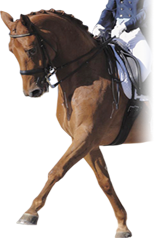



ОБЕЗДКА
1. Обект на обездката е развитието на конете в пълен синхрон с ездачите чрез хармонично обучение. В резултат на това, тя прави коня уравновесен, гъвкав ,еластичен, свободен и възприемчив ,но също така доверчив, внимателен и старателен, като по този начин се постига съвършенно разбирателство с ездача.
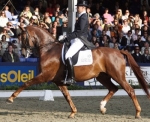
	Тези качества се намират израз в:
	- Свободата и равномерността на алюрите.
	- В хармония, лекота и свобода на движението.
	- В лекота на предните и ангажирането на задните крайници, чрез енергичен двигателен импулс.
	- Възприемането на поводите, подчинявайки се на помощите на ездача, като си играе с
	трензелата/мундщука в устата, без напрежение и съпротивление
	2. Конят създава впечатление, че прави по собствена инициатива всичко и разбира какво се изисква от
	него.
	Доверчив и внимателен, той охотно се подчинява на контрола на ездача, като остава абсолютно прав във
	всяко движение по права линия и запазвайки постоянно огъване когато се движат по извити линии.
3. Ходома му е равномерен, свободен и естествен. В тръса е свободен, гъвкав, равномерен и енергичен. В събран галоп е свързан , лек и равномерен. Задницата винаги е активна и не се отпуска. Конят отговаря на най-малката индикация на ездача и така изпълва с жив порив и енергичност цялото си тяло.
4. По силата на импулса и гъвкавост на ставите, освободен от фиксиращия /парализиращ/ ефект на съпротивата, конят се подчинява с охота и без колебание и реагира на различните помощи, спокойно и с точност, показва физическо и хармонично равновесие, както физически така и психически
5. В цялата работа, дори при спиране на място коня трябва да е "на повода".За коня се казва, че е "на повода", когато шията е повече или по-малко повдигната и заоблена според степента на подготовка, стъпката е удължена или събрана, приемайки повода, с лек и мек контакт, подчинявайки се с цялото си тяло. Главата трябва да остане в стабилно положение, като правило малко пред отвеса, с гъвкав задтилък, като най-високата точка на главата е задтилъка и без съпротивление към помощите на ездача.
6. При тръса и галопа се демонстрира ритмичност и повдигнатост (каденция), която е в резултат на добрата хармония, конят показва това когато се движи с добре изразена плавност, равномерност, импулс и равновесие. Ритмичността (каденцията) трябва да се запазва при всички разновидностти на тръса и галопа и изпълняваните при тях упражнения и е фундаментална за обяздването
Copyright © 2010 BEF. All Rights Reserved.